Six documents, one unanswered question
Each of these goes out and then goes quiet. Here is what changes when it goes out as a tracked link instead.
Proposals & pitches
The document that decides whether the work happens. Know it was read before you chase it.
- Scope, approach and pricing in one document
- Embed the walkthrough video or the Figma board
- See whether it was opened, and how long for
- Follow up on the day it was read again
Scopes & statements of work
Set out exactly what is being delivered, and keep a record that the other side opened it.
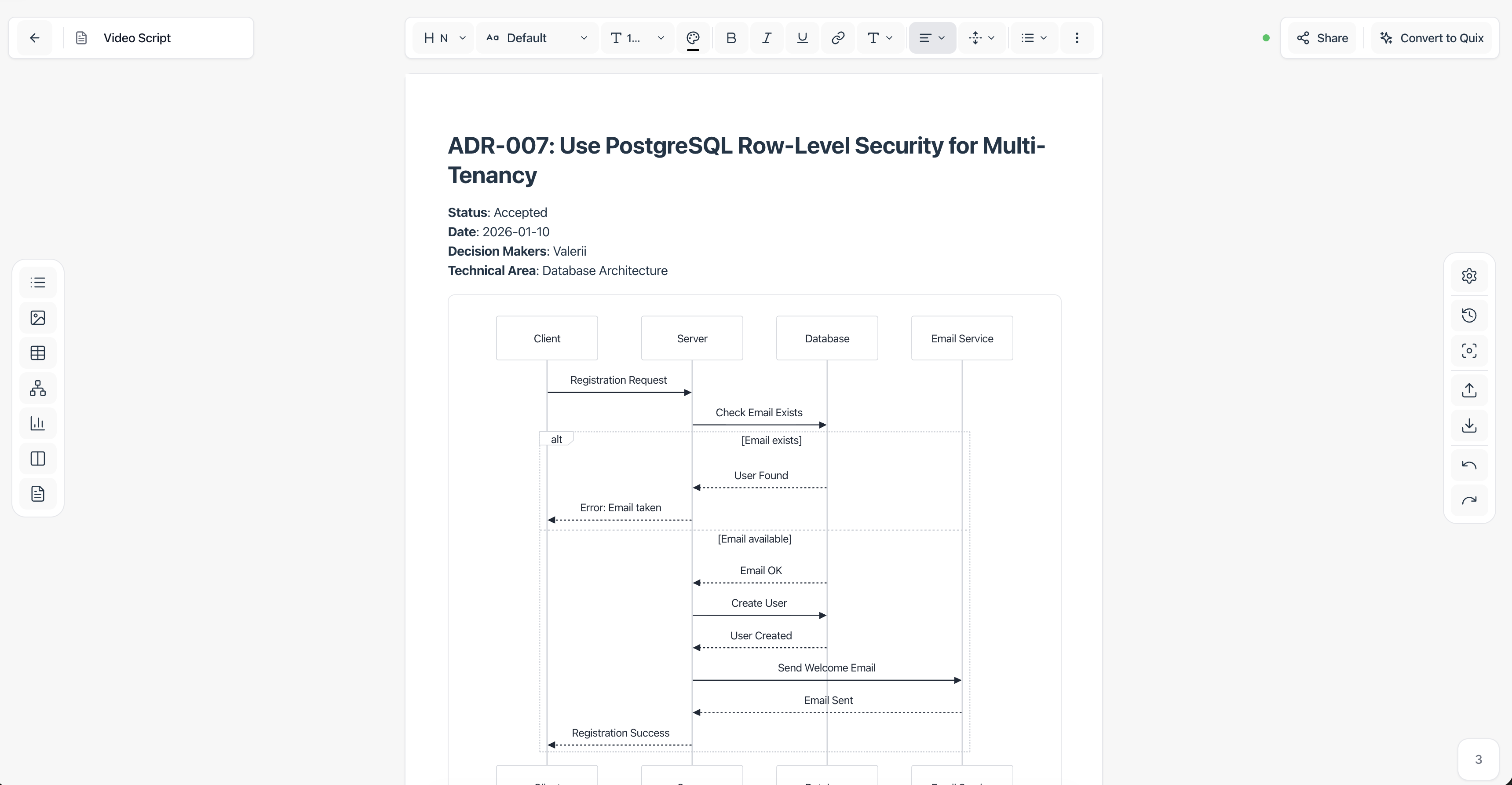
- Deliverables, milestones and exclusions
- Diagrams and specs embedded inline
- Dated visit history against the document
- PIN or expiry when the contents are sensitive
Onboarding & handover
Everything a new client or a new owner needs, in one link you can tell has been read.
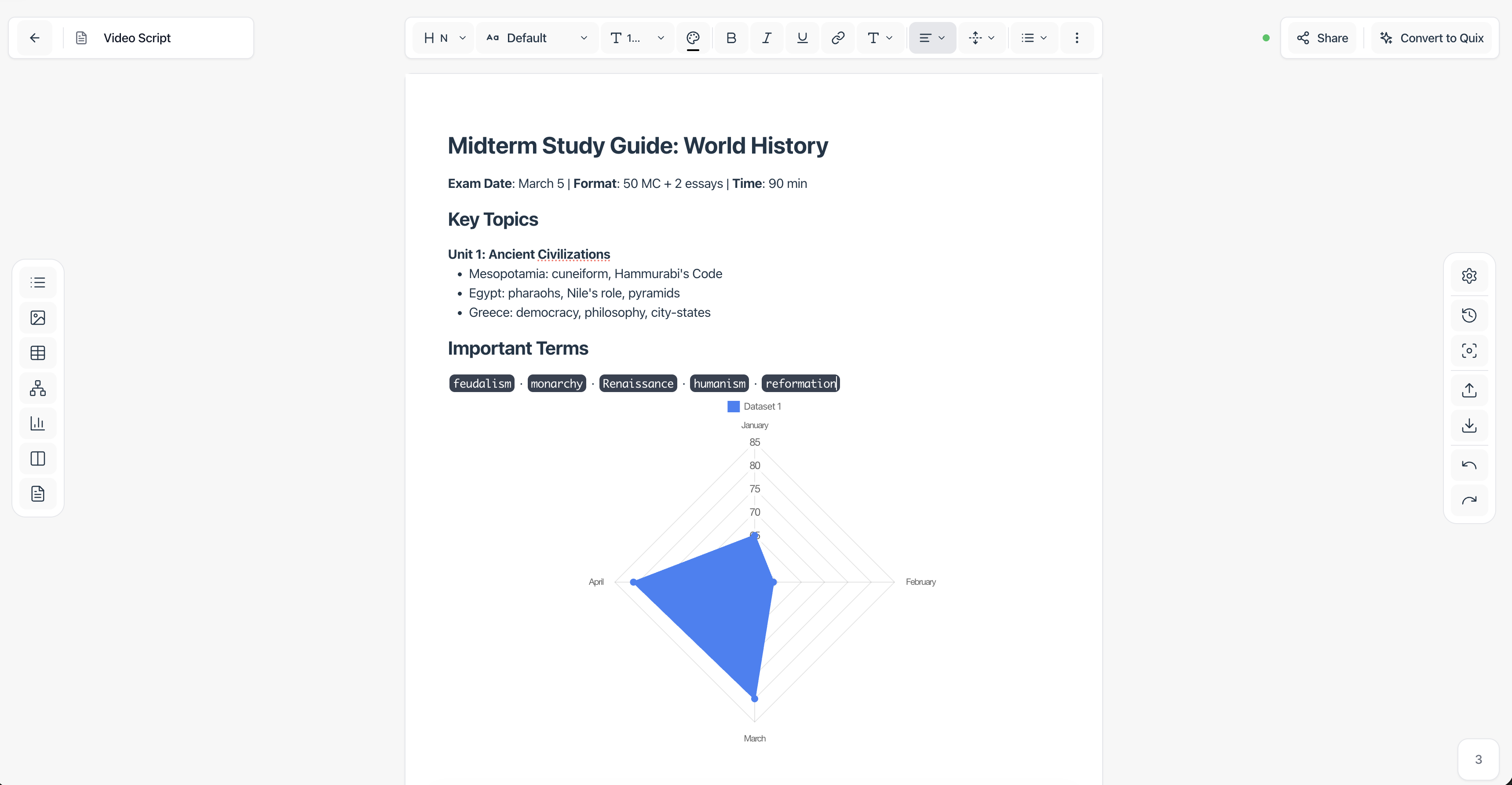
- Process, access and who-to-ask in one Quix
- Bundle several documents into a single link
- See who has been through it and who has not
- Update once; the link never goes stale
Reports & client updates
Send the monthly report and find out whether anyone actually reads it.
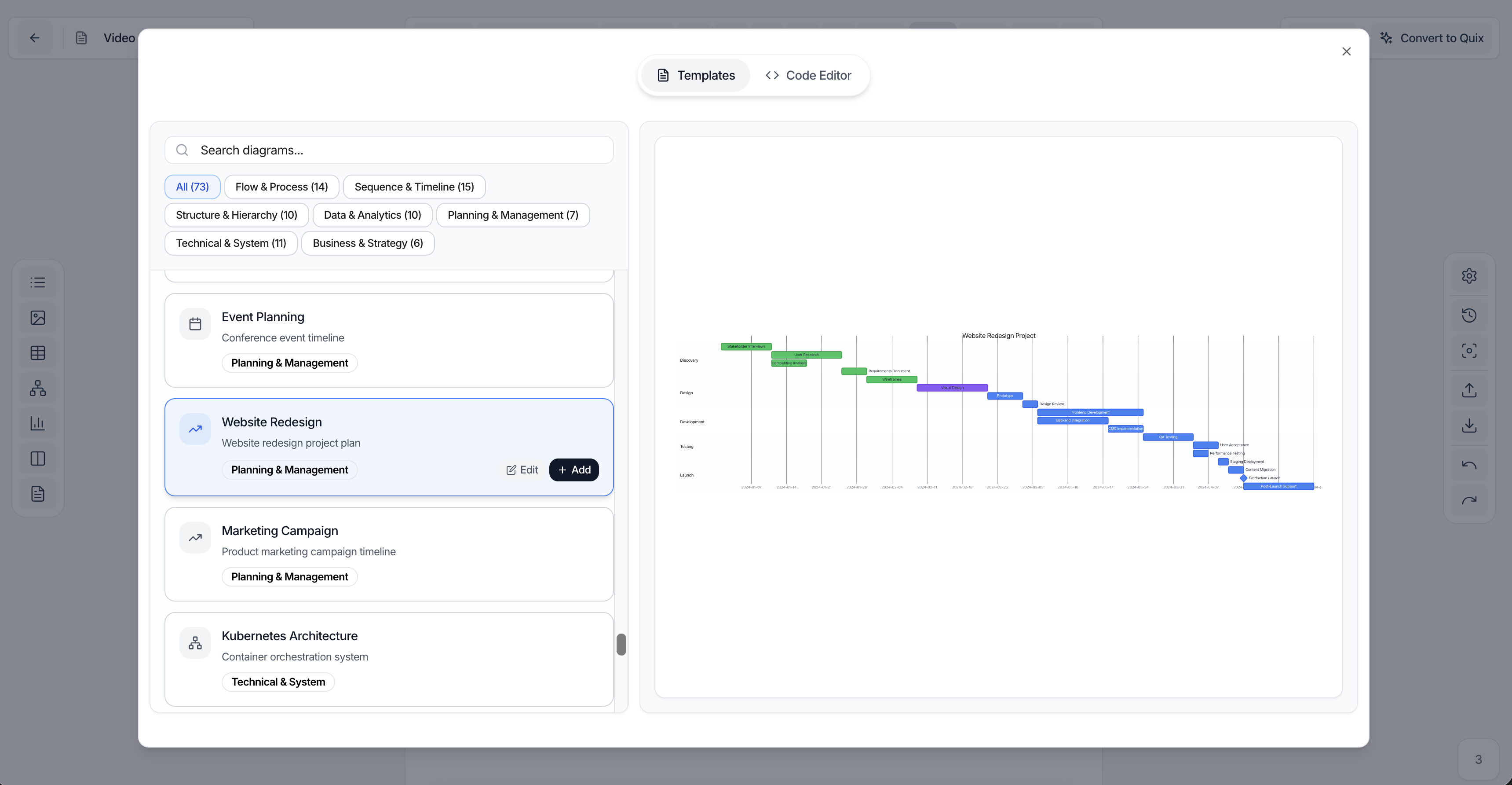
- Charts, tables and live data embedded
- Time spent, not just a delivery receipt
- Repeat visits listed one by one
- Download the activity as a PDF for the file
Design handoffs & presentations
Work that is meant to be looked at, sent as a document instead of a 40MB attachment.
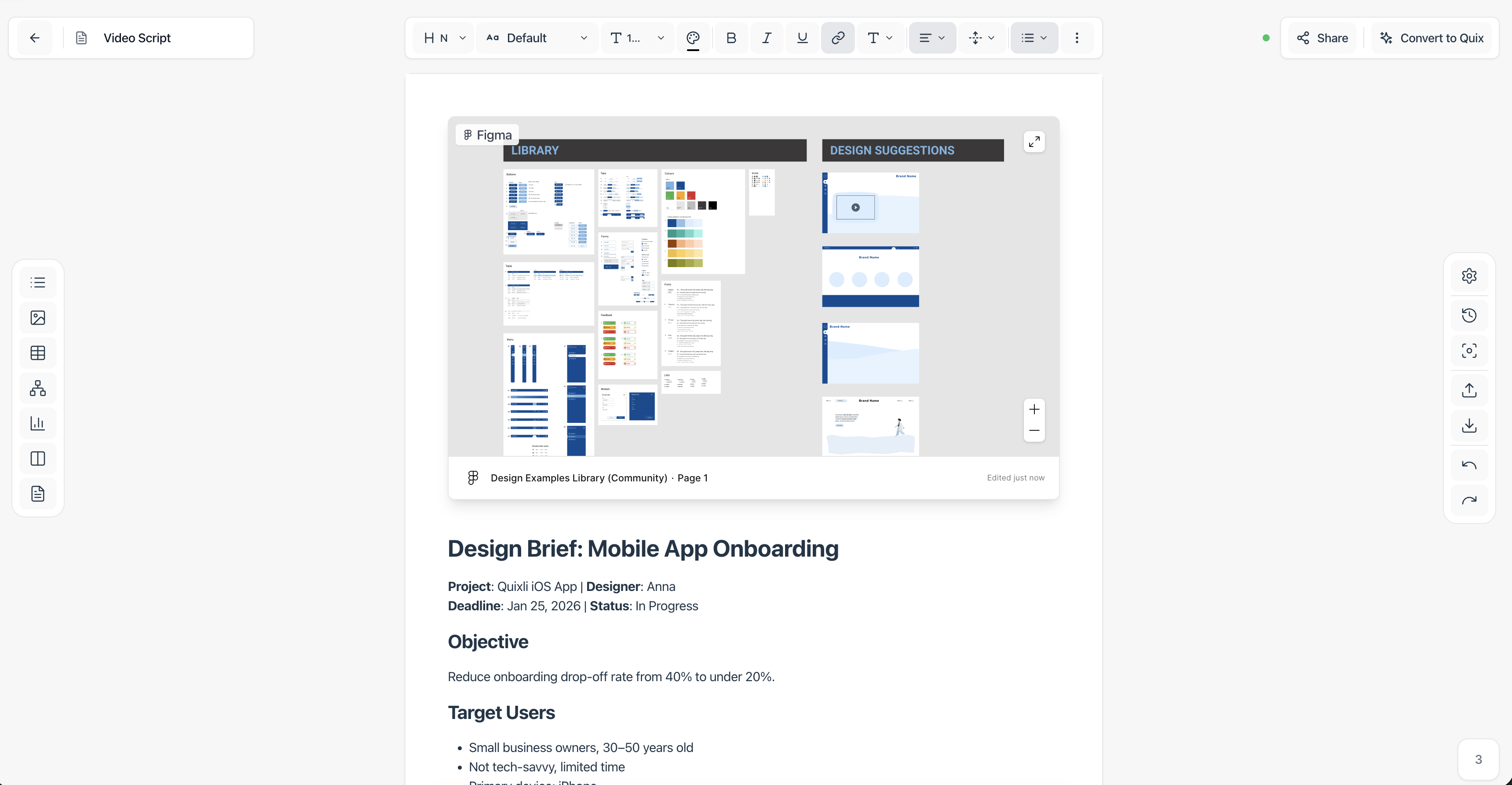
- Figma boards and Loom walkthroughs inline
- Nothing to download, nothing to unzip
- See when the stakeholder is reading it live
- A long session tells you it landed
Quotes & estimates
The fastest document to send and the hardest to chase. Stop chasing the wrong ones.
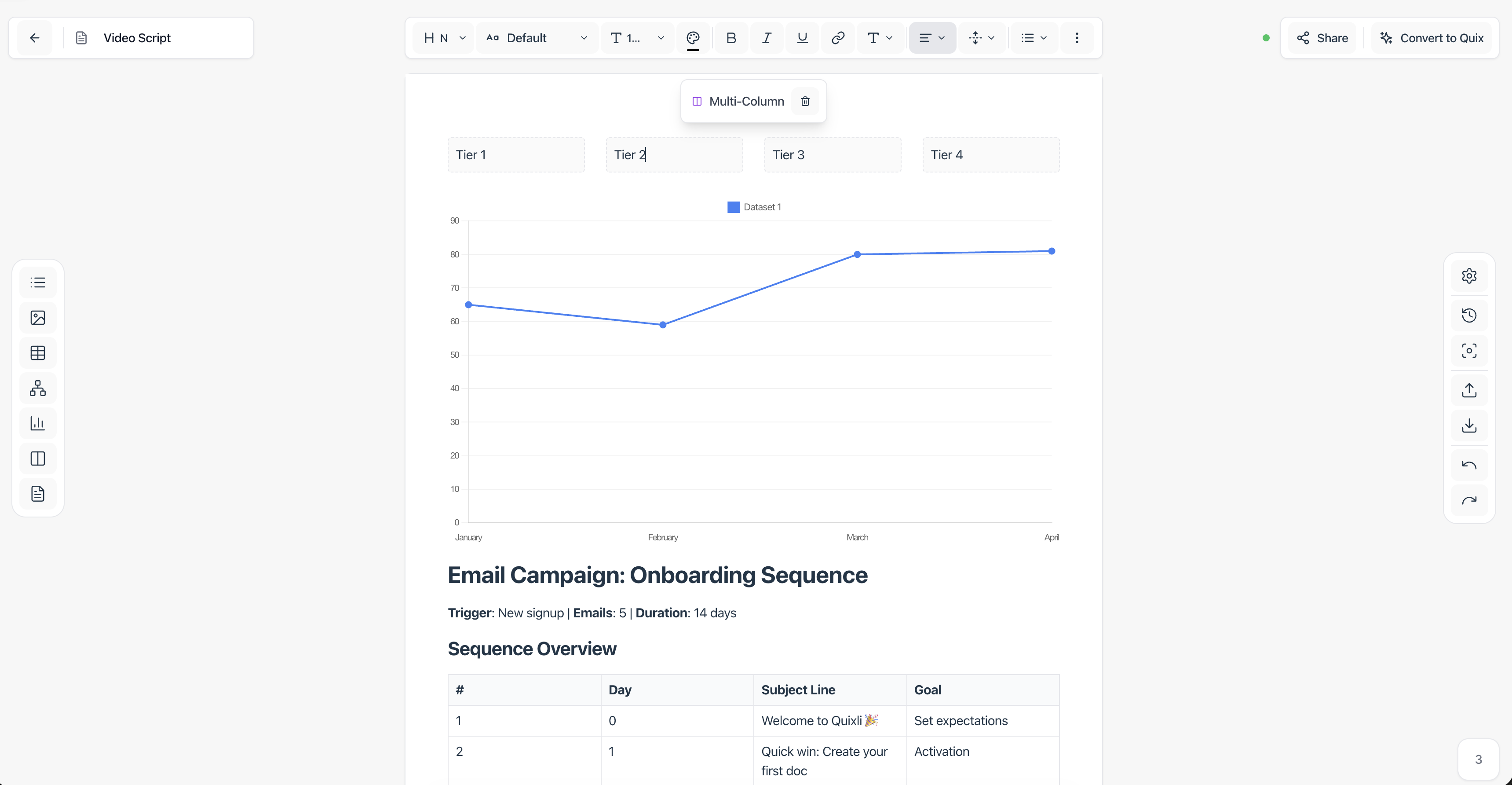
- Line items, options and terms
- Opened twice usually means a decision is close
- Never opened is a different conversation
- Expiry date on the link, not just in the text
Anything that leaves your desk
If it goes to somebody outside your head, it can go as a link — and a link reports back.
Client Proposals
The pitch that decides the work
Statements of Work
What is being delivered, in writing
Monthly Reports
Progress a client is meant to read
Onboarding Packs
Everything a new client needs
Decks & Handoffs
Work sent to be looked at
Quotes & Estimates
Priced, sent, and chased on evidence
From a blank page to a read receipt
The whole loop, from writing the thing to knowing it was read — the same five steps whether you are one person or five.
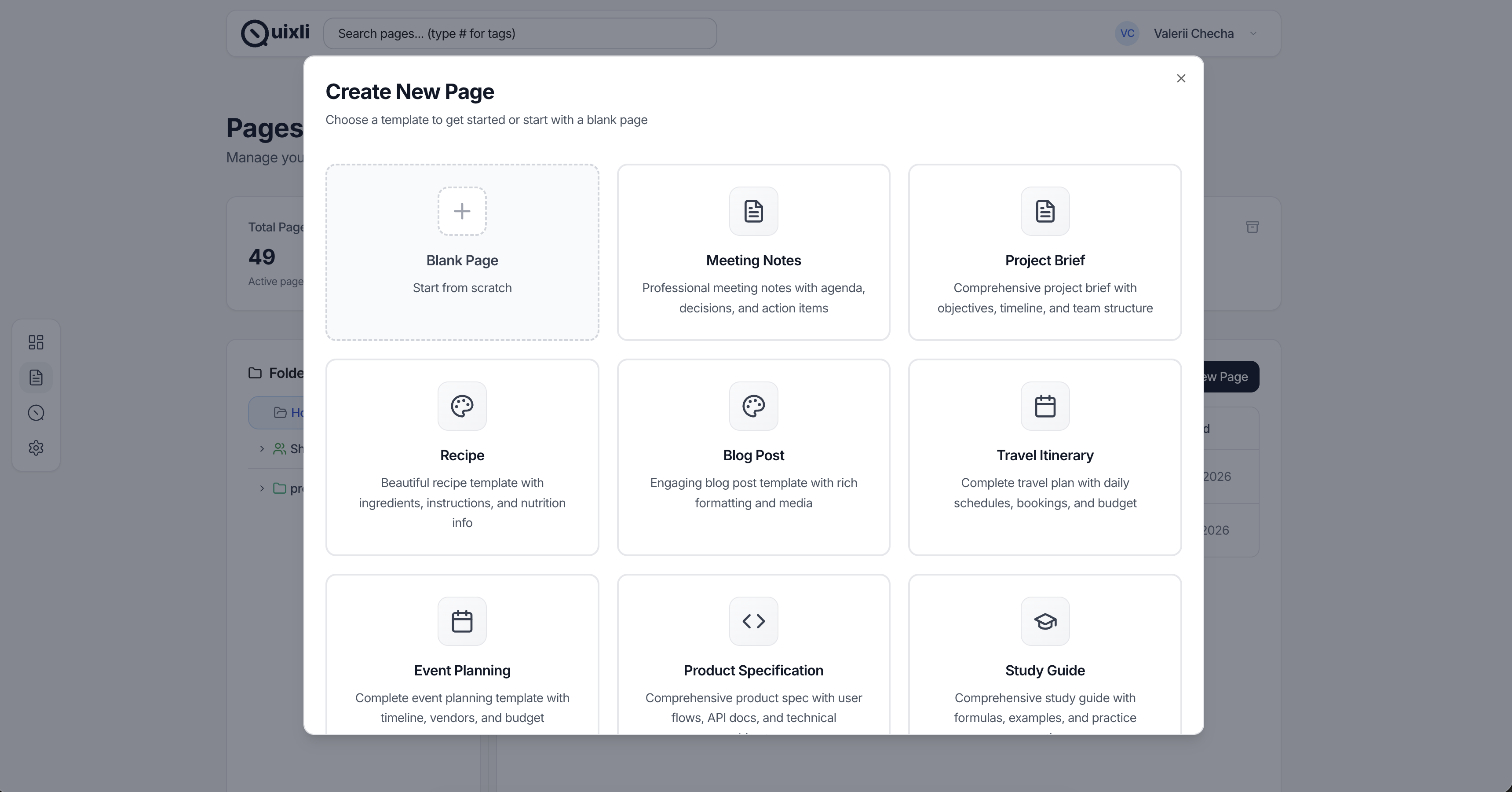
Write the document
A proposal, a scope, a report — built in an editor with tables, code blocks, media embeds and diagrams, so you are not attaching a PDF someone has to download.
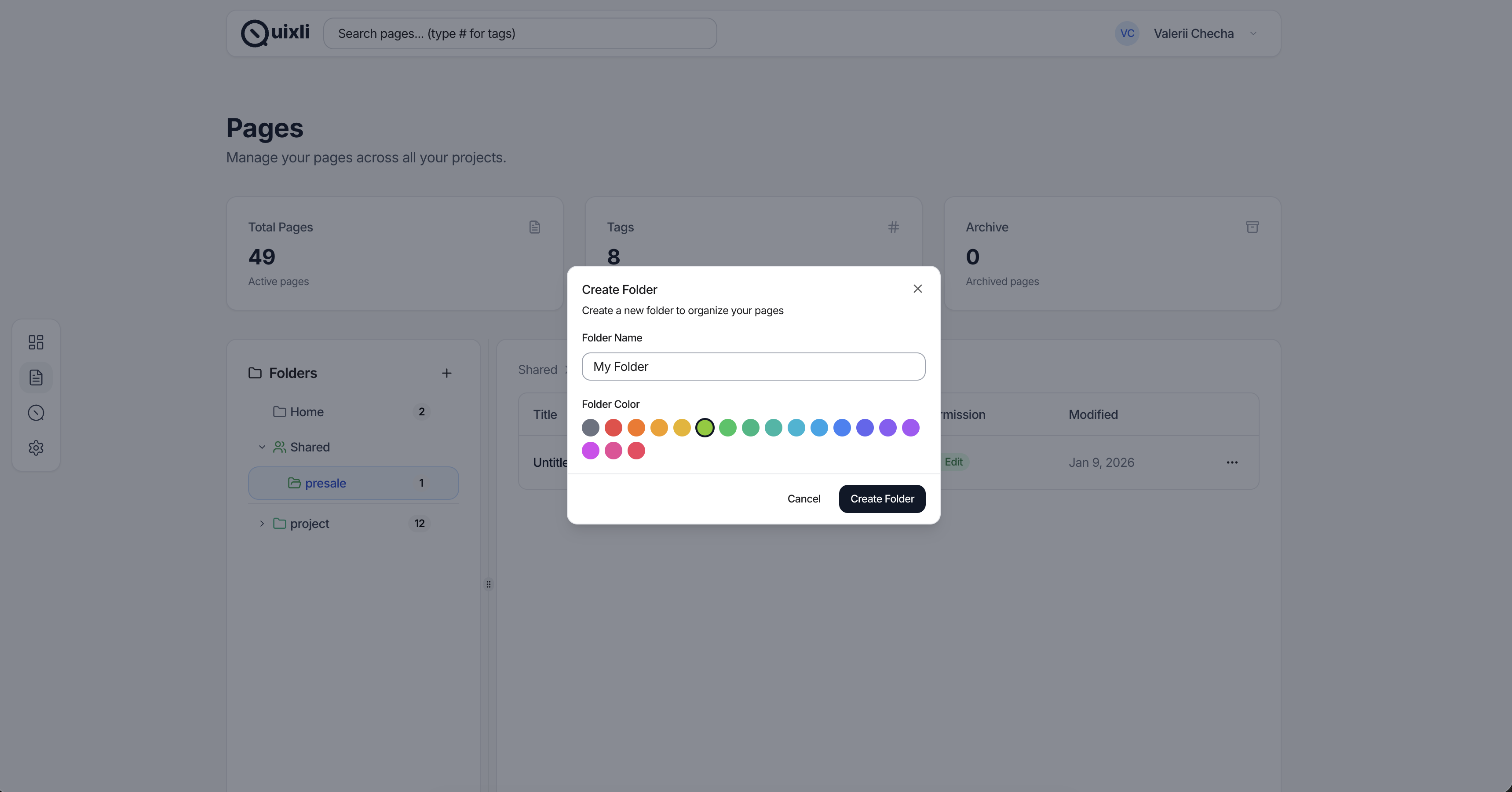
Keep the client’s work together
Nested folders and tags keep one client’s documents in one place, so the next proposal starts from the last one rather than from a blank page.
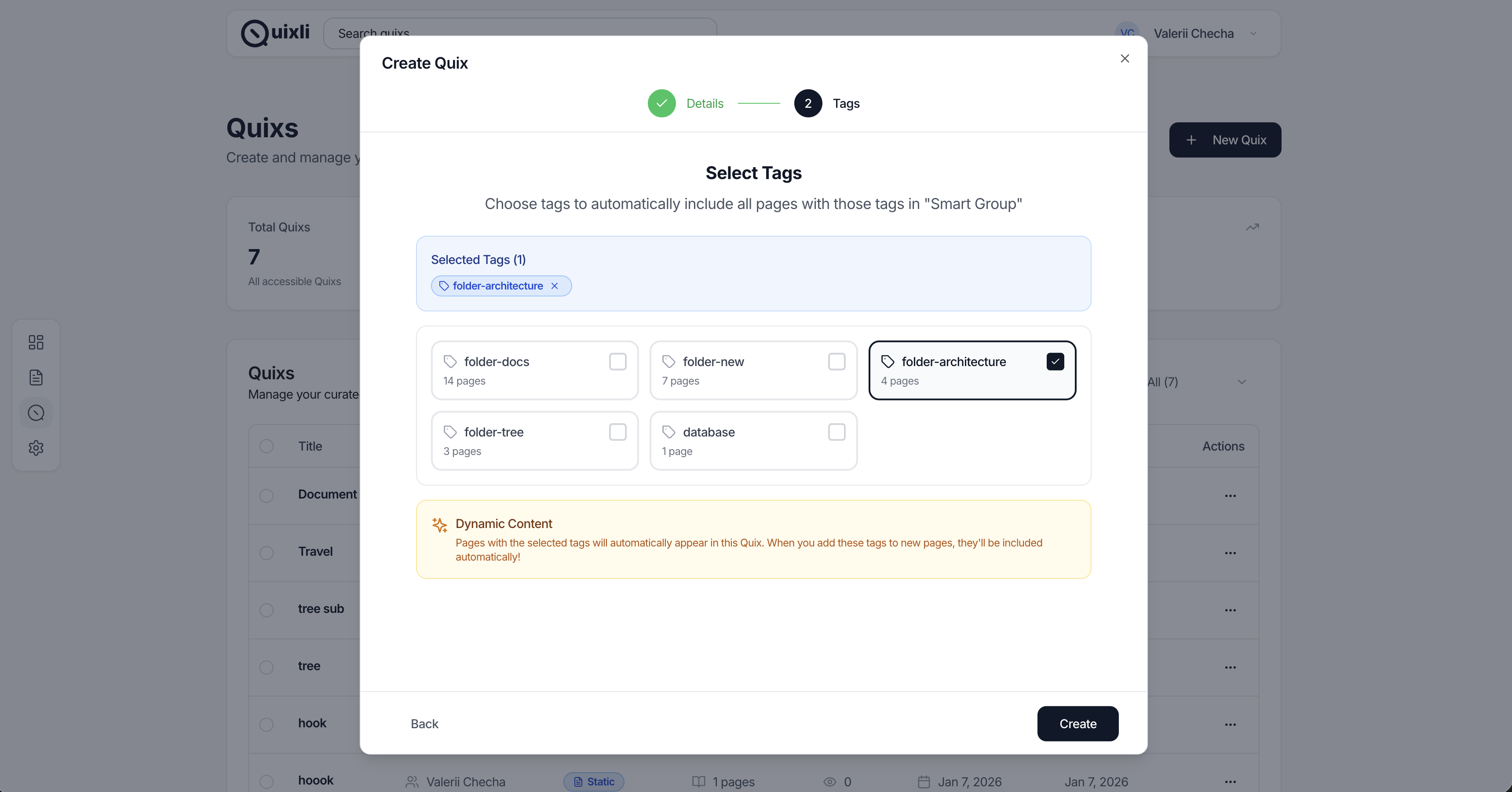
Bundle a multi-part deliverable
Group related documents into a Quix collection with a table of contents and navigation between them, and send the whole thing as one link instead of five attachments.
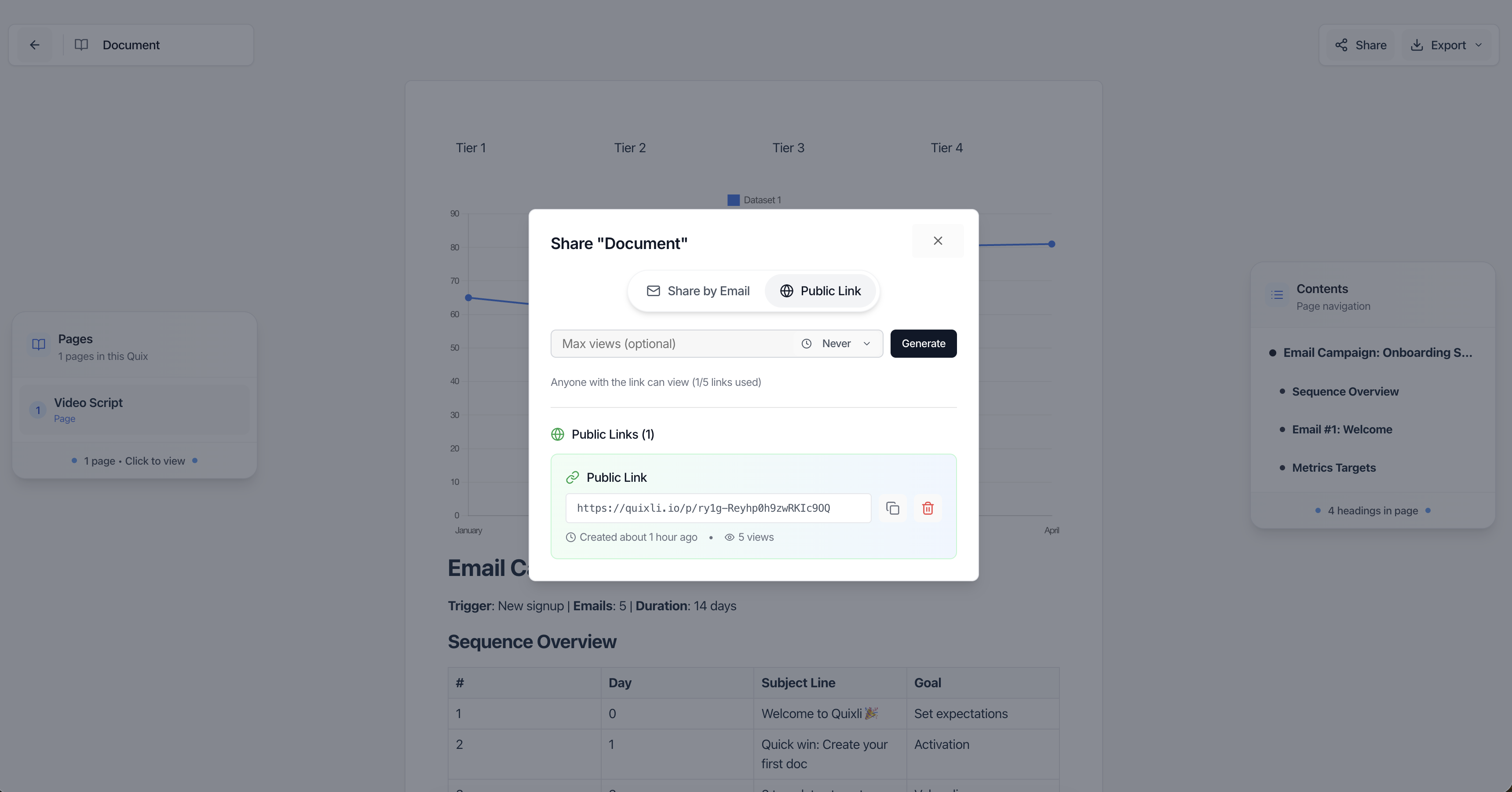
Send a link you can stop
Share by email, public link or domain restriction, with a pincode, an expiry date or a cap on views when the contents warrant it.
See what came back
Who opened it, when, how long each session ran and how many times they returned — as an email shortly after the visit, a digest at 8am your time, or a PDF report you can hand over.